
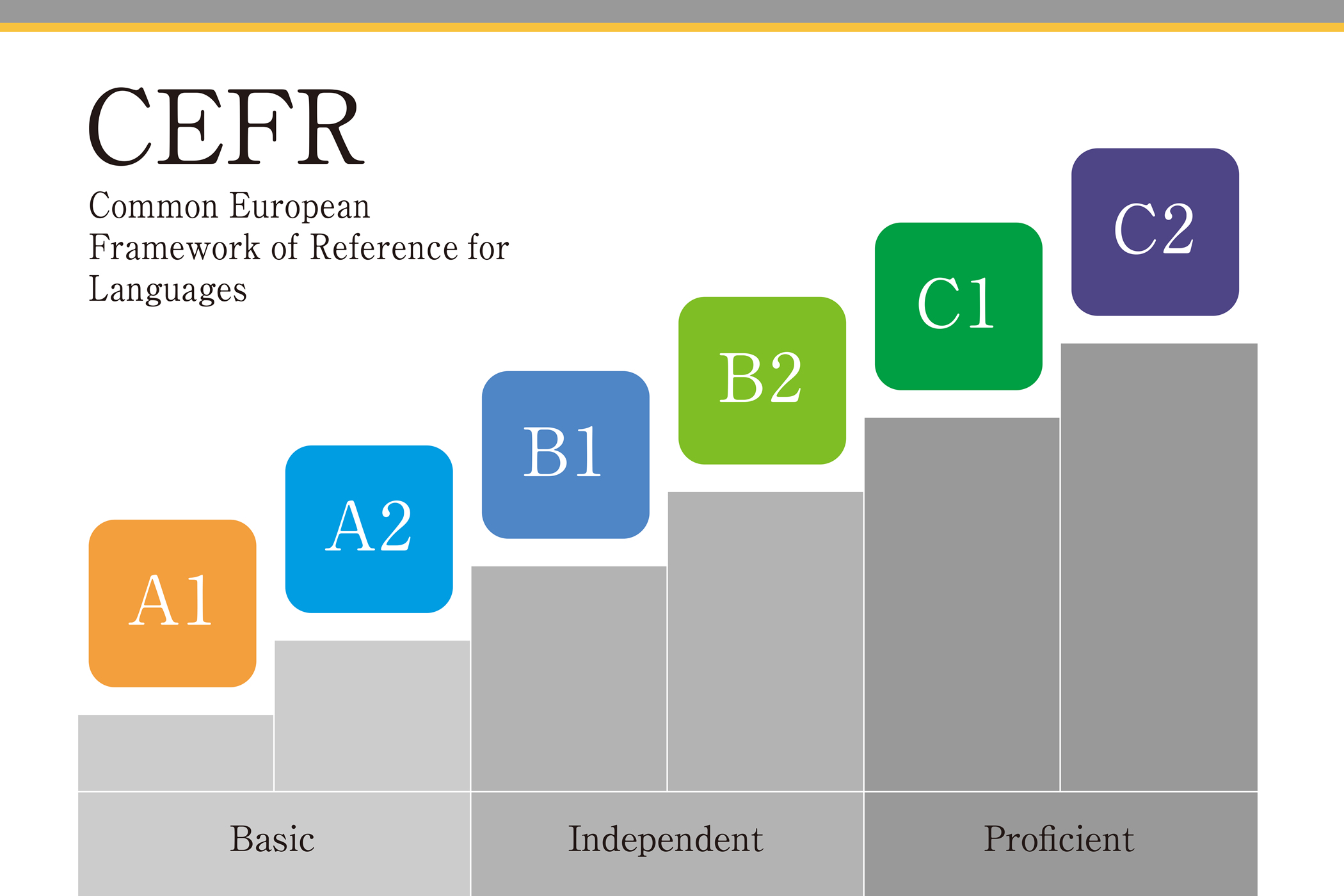
The Common European Framework of Reference for Languages (CEFR) has become the global gold standard for measuring English proficiency. Universities require B2 for admission, employers demand C1 for international positions, and language schools structure entire curricula around its six levels. But after two decades of watching students navigate this system, I’ve come to an uncomfortable conclusion: the CEFR is fundamentally broken for anyone who simply wants to communicate in English.
The framework’s fatal flaw lies in its academic bias. While it claims to measure communicative competence, it increasingly rewards the kind of formal, literature-heavy English that virtually no one uses in daily life. A C2 learner can analyze Victorian poetry and debate Kant’s categorical imperative, but might struggle to negotiate a car repair or comfort a grieving friend.
The C2 Paradox
Consider the descriptors for C2, the framework’s pinnacle. The CEFR states that C2 speakers can “understand with ease virtually everything heard or read” and “express themselves spontaneously, very fluently and precisely.” This sounds impressive until you examine what “everything” actually means in practice.
C2 assessments typically include academic lectures, literary texts, and formal discourse. Test-takers might encounter passages from The Economist or scholarly journals. They’re expected to produce essays with sophisticated vocabulary like “notwithstanding” and “heretofore”—words that sound absurdly pompous in everyday conversation.
Meanwhile, a C2 speaker might lack the colloquial fluency to understand a teenager’s slang, navigate regional dialects, or catch the subtext in casual banter. They’ve mastered a version of English that exists primarily in textbooks and testing centers.
Communicative vs. Academic English
The distinction between communicative and academic English isn’t just semantic—it represents fundamentally different skill sets.
Communicative English prioritizes connection and clarity. It’s the English of:
Resolving conflicts with roommates
Making small talk at parties
Understanding humor and sarcasm
Navigating customer service situations
Building friendships and romantic relationships
Academic English prioritizes precision and formality. It’s the English of:
Writing research papers
Presenting at conferences
Reading scholarly articles
Participating in university seminars
Producing formal reports
The problem isn’t that academic English is useless—it’s essential for certain contexts. The problem is that the CEFR conflates these two domains, then privileges the academic over the communicative.
The B2 Sweet Spot
Here’s an irony: many B2 speakers are more functionally fluent than C1 or C2 speakers. They can’t dissect James Joyce, but they can tell jokes, argue about politics, comfort friends, and navigate complex social situations with nuance.
B2 is where most people achieve genuine communicative competence. They understand idioms, can shift registers appropriately, and handle unexpected situations without preparation. Yet the framework treats B2 as merely “intermediate,” implying these speakers are somehow deficient.
I’ve watched B2 speakers thrive in English-speaking countries while C1 certificate holders struggle to make genuine connections. The latter might impress in job interviews with their sophisticated vocabulary, but falter in the office kitchen where relationships are actually built.
What Would Better Look Like
A more honest framework would separate tracks: one for academic purposes, one for communicative purposes. Students could pursue whichever aligned with their goals without being told that academic proficiency represents the ultimate achievement.
The communicative track might assess:
Ability to maintain long conversations on varied topics
Understanding of humor, sarcasm, and implied meaning
Skill in navigating social conflicts and sensitive topics
Adaptability across different English varieties and accents
Emotional expressiveness and empathy in English
These skills matter far more for the majority of English learners than the ability to write a thesis-quality essay.
The Real-World Cost
The CEFR’s academic bias has real consequences. Students spend years memorizing formal vocabulary they’ll rarely use while neglecting the conversational skills that would actually improve their lives. Language schools focus on test preparation over genuine communication. Talented communicators feel inadequate because they can’t crack C1 exams that test skills irrelevant to their needs.
Most frustrating is watching advanced learners who can read Shakespearean sonnets but freeze when asked to give an impromptu toast at a wedding. The framework has convinced them that real proficiency means academic performance, when what they actually need is the confidence and flexibility to be themselves in another language.
The CEFR serves bureaucratic convenience—it’s easy to test, easy to quantify, easy to require. But for learners whose goal is simply to live, work, and connect in English, it’s an increasingly obsolete measuring stick that mistakes one narrow slice of competence for the whole complex reality of human communicati